
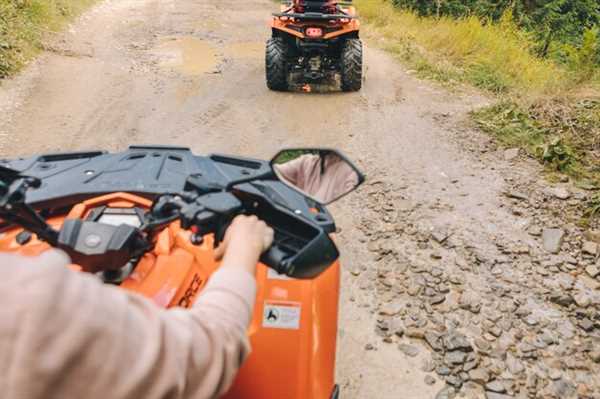
The first step in preserving an ATV is regularly checking and changing its oil. Fresh oil ensures that the engine runs smoothly and efficiently. Aim to replace the oil every 50 hours of operation or at least once a season, whichever comes first.
Next, pay close attention to the air filter. A clean air filter facilitates optimal engine performance. Inspect it monthly and replace it as needed, particularly if you ride in dusty conditions. This simple act can significantly impact fuel efficiency and power.
Another key aspect is tire maintenance. Keeping the tires properly inflated not only enhances safety but also extends their life. Check the air pressure regularly and examine tread wear to ensure a safe and comfortable ride.
Lastly, store the ATV in a dry, sheltered location when not in use. This protects it from the elements and minimizes rust and corrosion risks. A little care in storage can prolong both performance and appearance significantly.
Regular Oil Changes and Filter Replacements
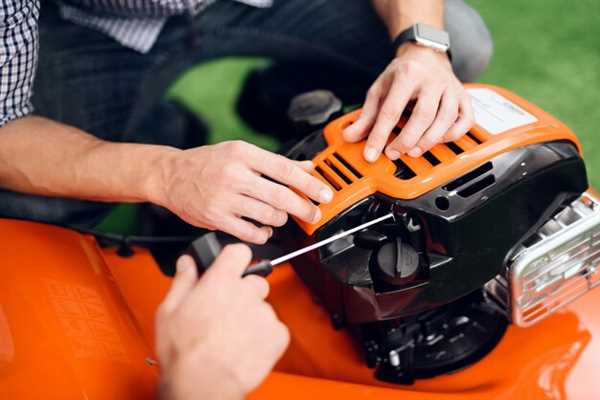
Perform oil changes every 50 to 100 hours of operation. Check the manufacturer’s manual for specific intervals, as different models may have unique requirements. Fresh oil lubricates the engine components, ensuring smooth operation and reducing wear.
- Use high-quality oil designed for off-road vehicles.
- Consider the climate; harsher conditions may necessitate more frequent oil changes.
Replacing the oil filter during each oil change is equally important. A clean filter traps contaminants and ensures only clean oil circulates through the engine. Neglecting this step can lead to decreased performance and potential engine damage.
- Before starting, gather necessary tools: wrench, oil filter wrench, and a drain pan.
- After draining the old oil, install a new filter securely.
- Fill with fresh oil, ensuring the correct type and amount as specified in the manual.
Inspecting and Maintaining Tires for Optimal Performance

Regularly check tire pressure before operating your machine. Maintain pressure within the manufacturer’s recommended range to enhance grip and reduce wear. Under-inflated tires can cause uneven wear, while over-inflated tires increase the risk of blowouts.
Look for visible signs of damage, such as cracks, punctures, or bulges. Any irregularities could indicate potential hazards. Replace tires exhibiting severe damage immediately to prevent accidents and ensure smooth riding.
Inspect tread depth frequently. Tires with worn tread lose traction and can lead to unsafe situations. Use a depth gauge or the penny test: insert a penny into the tread; if you see the top of Lincoln’s head, it’s time for replacement.
Rotate tires periodically to promote even wear. If you ride primarily in one direction, unequal wear can occur, resulting in premature replacement. Follow the recommendations in your owner’s manual for the best rotation schedule.
Wash tires regularly to remove dirt and debris that may cause rubber degradation. Use mild soap and water, avoiding harsh chemicals that can damage the tire material. Ensuring cleanliness helps maintain tire integrity over time.
Inspect the wheel rims for corrosion or bends that may disrupt tire sealing. Damaged rims can lead to air leaks, thus affecting tire pressure. Ensure rims are in good condition before installing new tires.
Use tire sealants or puncture protectors to reduce the risk of flat tires during rides. These products can seal small punctures before they become a bigger issue, allowing you to continue your adventure without interruption.
Store tires in a cool, dry place away from direct sunlight when not in use. UV rays and extreme temperatures can accelerate deterioration. Proper storage maximizes tire longevity and performance for future rides.
Cleaning and Lubricating the Drive Train Components
Regularly inspect and clean the drive train components, ensuring all debris and dirt are removed from gears and chains. Use a soft brush and a biodegradable degreaser to eliminate grease buildup. Rinse with water but avoid high-pressure washers, as they can force water into sealed bearings. Dry thoroughly before applying any lubrication.
Apply high-quality lubricant to chains, sprockets, and other moving parts, ensuring that it penetrates all areas effectively. Choose a product designed for off-road vehicles, as it will have better adhesion and resistance to dirt. A consistent application schedule will prevent wear and improve performance significantly.
Pay attention to the frequency of cleaning and lubricating, especially after intense riding sessions. Dusty trails or wet conditions can accelerate contamination in the drive train. Adjust your routine accordingly, keeping a log of your maintenance schedule to track when each task was last performed.
Inspect seals and bearings regularly for signs of degradation. Replacing worn-out components promptly can save time and money in the long run. By maintaining cleanliness and ensuring proper lubrication, the overall functionality of the drive train will be optimized, leading to smoother rides and reduced risk of mechanical failures.