

Conduct a thorough inspection of sensor data and performance metrics to reveal underlying malfunctions affecting your motor’s operation. Pay close attention to discrepancies in fuel efficiency and power output, as they often indicate deeper issues within the system that require immediate resolution.
Utilize onboard diagnostics tools to extract error codes that pinpoint specific components in distress. This precise approach can save time and effort, ensuring you focus on the most critical areas during your troubleshooting efforts.
Incorporate visual inspections for leaks or unusual wear on belts and hoses, which might not trigger error codes but can severely impact functionality. Regular assessments will help maintain optimal condition and prevent further complications down the line.
Utilizing On-Board Diagnostics (OBD) Tools for Real-Time Data Analysis
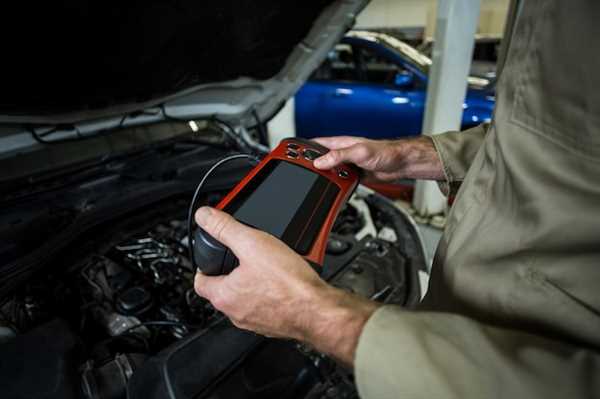
Integrate OBD tools into your routine maintenance to catch anomalies before they escalate. This technology reads diagnostic trouble codes (DTCs) by interfacing with the vehicle’s computer systems, enabling quick identification of malfunctions. Ensure you have a reliable OBD-II scanner that provides live data, including sensor readings, fuel trims, and RPM metrics for accurate assessments.
Real-time data analysis allows for timely interventions. Investigate parameters such as engine temperature and air-fuel ratios to ensure correct operating levels. Use the data to monitor trends over time for preventative measures. Consistent analysis leads to optimized efficiency, ultimately saving on repair costs.
Employing these diagnostic tools builds a practical understanding of your vehicle’s health. Set reminders for data checks after significant trips or maintenance tasks to maintain awareness of changes. Regular analysis not only mitigates risks but also enhances vehicle longevity by addressing potential troubles early on.
Visual Inspection Techniques for Identifying External Faults

Begin with a thorough visual assessment of the engine’s exterior, searching for signs of leaks, corrosion, or damaged components. Inspect the hoses and belts for signs of wear or cracking, as these can lead to unexpected failures. Look closely at the engine mounts and brackets; any signs of deformation or loose attachments could indicate deeper issues affecting overall operation. Pay attention to fluid levels and cleanliness around the engine–contaminated fluids often signify leaks or seal failures necessitating immediate attention.
Additionally, utilize a systematic approach by categorizing visible findings into a checklist format, which can enhance the clarity of the inspection process. Document any discrepancies encountered during your assessment, such as discoloration around gaskets or stains beneath the engine that may point to specific issues. Below is a sample table to organize observed symptoms for better analysis:
| Observation | Possible Cause | Action Required |
|---|---|---|
| Oil leak | Worn gasket | Replace gasket |
| Cracked hose | Age-related wear | Replace hose |
| Corroded mount | Environmental damage | Replace or repair mount |
Interpreting Diagnostic Trouble Codes (DTCs) for Accurate Problem Identification
Prioritizing accurate diagnostics begins with understanding Diagnostic Trouble Codes (DTCs). When a code appears, record it immediately and research its significance. Each DTC is linked to a specific system or component, providing a starting point for deeper analysis. Utilize a reliable service manual or an online database to decode the information. Pay close attention to related codes, as they can reveal interconnected problems. Cross-referencing the codes with the symptoms observed can lead to quicker resolutions.
In addition to using DTCs as directional indicators, consider the following steps:
- Review freeze frame data to understand conditions under which the fault occurred.
- Check for any TSBs (Technical Service Bulletins) associated with the specific DTC.
- Perform visual inspections of wiring and connectors to identify potential issues.
- Clear the codes and monitor for reoccurrence, which can help validate the diagnosis.
Ultimately, thorough interpretation of DTCs coupled with a methodical approach can significantly enhance problem identification, leading to proper and timely repairs.