
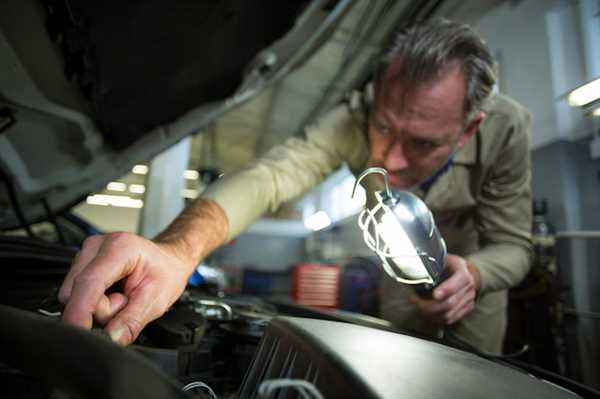
Regular examination of the temperature moderation components is necessary to keep a vehicle running smoothly. Check the coolant levels frequently, ensuring they meet the manufacturer’s specifications. Low coolant can lead to overheating and potentially severe damage, so refilling should be a priority when necessary.
Inspect the radiator for leaks or blockages that could impede heat dissipation. Ensuring that the radiator cap is functioning properly helps maintain the correct pressure, thus enhancing the efficiency of the cooling fluid. A clean radiator, free from debris, is essential for optimal airflow.
Periodic assessment of the thermostat is crucial for maintaining appropriate operating temperatures. A malfunctioning thermostat can significantly affect how well the heat regulation occurs. If your engine is frequently reaching high temperatures, replacing a faulty thermostat might be the answer.
Don’t overlook the water pump’s condition. This component circulates the coolant throughout the engine and must function properly to avoid overheating. Listen for any unusual noises or check for leaks that might indicate a failing water pump.
Inspecting Coolant Levels and Quality
Regularly verify coolant levels in your vehicle’s reservoir to avoid overheating and preserve functionality. A level that dips below the marked range can lead to engine strain, compromising performance. Always check levels when the engine is cool to ensure safety and accuracy.
Assess the quality of the coolant by observing its color and clarity. A healthy mixture typically appears bright green, orange, or pink, depending on the type used. If the fluid looks rusty, cloudy, or contains contaminants, it is time to replace it.
Check for any signs of leaks around the hoses and connections. Inspect the entire cooling circuit, including radiators, water pumps, and seals. Addressing small leaks promptly may prevent costly repairs in the future.
Utilize a coolant tester to measure the freezing and boiling point of the mixture. This tool helps ascertain if the mixture is balanced and suitable for the current climate conditions. A proper blend generally features a 50/50 ratio of antifreeze and water.
| Coolant Color | Indication |
|---|---|
| Bright Green/Orange/Pink | Good Condition |
| Rusty/Brown | Contaminated |
| Cloudy/Dirty | Needs Replacement |
Lastly, be vigilant about maintenance schedules outlined in your manual. Flushing and replacing the coolant at the recommended intervals maintains optimal conditions and extends the lifespan of your vehicle’s thermal regulation components.
Diagnosing Cooling System Leaks
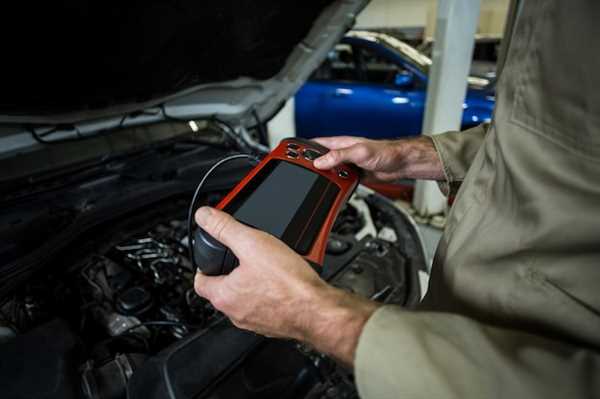
Inspect the radiator and hoses regularly for any signs of fluid loss. Pay close attention to the connections and clamps, as they can easily develop leaks over time. A visual inspection may reveal coolant puddles under the vehicle, indicating a potential breach in the system.
Utilize a pressure tester to identify leaks that are not immediately visible. This device pressurizes the cooling circuit, allowing you to pinpoint weak spots. When using this tool, observe the pressure gauge closely; a rapid drop suggests a leak needing immediate attention.
Examine the water pump and its gasket. A failing pump may leak coolant, which can lead to a severe temperature increase in the motor. If you notice a constant drip or puddle beneath the water pump area, replacement may be necessary to prevent further damage.
Check the overflow reservoir as well. Cracks or damaged seals can cause losses in fluid capacity, leading to overheating. Replace any broken components to maintain proper levels and ensure effective temperature management.
Monitor the temperature gauge on the dashboard. An unexpected rise in temperature can be a sign of inadequate coolant due to leaks. If you experience overheating, consider stopping the engine immediately to prevent severe thermal damage.
Lastly, ensure that the coolant itself is not contaminated. Oil mixing with the coolant can indicate internal leaks, such as a blown head gasket. Performing a laboratory analysis on samples can provide accurate insights into the health of your motor’s cooling capacity.
Evaluating Radiator Functionality and Condition
Regular examination of the radiator’s condition is crucial to preserve vehicle temperature regulation. Check for external leaks or damages, which can lead to fluid loss and overheating. A visual inspection will reveal corroded, cracked, or bent fins that can obstruct airflow.
Inspect the coolant level consistently. Low fluid levels may indicate a leak. When the engine is cool, ensure the reservoir is adequately filled. Pay close attention to the fluid’s color; it should be clear or slightly tinted. Murky or rusty coolant signals contamination, necessitating immediate attention.
- Check for blockages: debris can accumulate on the exterior and inside the radiator.
- Inspect hose connections: ensure they are tight and free of wear and cracks.
Conduct a flow test by running the engine to see if the radiator heats evenly. If certain areas remain cold, this suggests a possible clog within the unit. Flushing the radiator can eliminate built-up deposits that impair performance.
A functioning thermostat is also vital. If it fails to open or close properly, it can disrupt the circulation of coolant. Test its operation by observing engine temperature fluctuations during different driving conditions. Inconsistent temperature readings may indicate that it’s time for replacement.