

Increasing torque and horsepower demands precise calibration of fuel delivery, ignition timing, and airflow dynamics. Utilize a high-quality aftermarket ECU for optimizing these parameters. Fine-tune air-fuel ratios to achieve a balance that maximizes combustion efficiency without causing detrimental knock.
Consider upgrading your intake and exhaust systems. A less restrictive intake allows for greater airflow, while a high-performance exhaust system enhances the expulsion of gases, both contributing to increased power output. Pair these modifications with improved intercooling for turbocharged setups to further enhance thermal efficiency.
Don’t overlook the importance of regular maintenance. Fresh spark plugs, quality fuel, and clean filters are foundational to sustaining any modifications made. Additionally, calibrate the power delivery to ensure that any alterations harmonize with the existing setup to prevent premature wear or reliability issues.
How to Optimize Air-Fuel Mixture for Enhanced Performance

Adjusting the air-fuel ratio to a slightly lean setting can improve combustion efficiency. Aim for a ratio around 14.7:1 for optimal results in most modern setups. Tuning within this range can lead to better fuel economy and responsiveness.
Utilize a wideband O2 sensor for real-time monitoring of the mixture. This tool provides precise data, enabling you to make informed modifications. By observing the readings while driving under different conditions, fine-tuning can be executed effectively.
Ensure that the intake system is unobstructed. Increasing airflow helps maintain a balanced mixture. Consider upgrading your air filter or intake manifold to allow more air to flow into the combustion chamber. This adjustment can boost power significantly.
Examine fuel quality consistently. Higher-octane fuel may withstand more aggressive tuning configurations without knocking. By switching to a premium option, you can explore leaner mixtures that optimize combustion without compromising stability.
Evaluate injector size to match the desired airflow. Under or over-injecting can disrupt the balance. Use injectors that can provide adequate fuel across the RPM range while maintaining the desired mixture at all vehicle operating conditions.
Finally, don’t forget about exhaust modifications. A less restrictive exhaust allows for efficient gas evacuation, aiding in overall mixture optimization. A performance-oriented exhaust system not only enhances flow but also contributes to a more efficient tuning outcome.
Best Practices for Adjusting Ignition Timing in Modern Engines
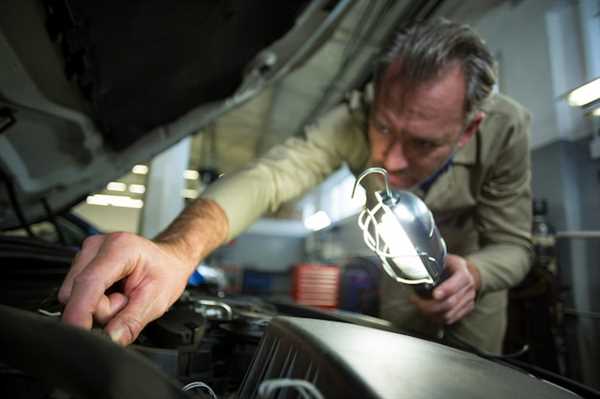
Begin by utilizing a high-quality diagnostic tool to assess the current timing settings. This provides a solid baseline to measure any adjustments. Pay attention to the manufacturer’s specifications, as deviations here may lead to suboptimal operation.
Next, work with dynamic timing analysis. This method allows for real-time adjustments while monitoring how the combustion process behaves under various conditions. Use a wideband O2 sensor to gather precise feedback on air-fuel mixtures, enabling accurate timing optimizations.
Tuning the spark advance can significantly enhance fuel combustion efficiency. As a rule, adding advance can elevate torque and throttle response. However, approach this methodically; every incremental change should be followed by testing to avoid knock or pre-ignition issues.
Consider the fuel quality you’re using. Higher octane fuels can handle more aggressive timing without knock. If switching to a higher-grade fuel, revisit timing settings to fully exploit the improved combustion characteristics.
Monitor your cooling systems carefully, as excessive heat can result from modified timing. Adequate cooling is critical, as overheating can lead to component damage. Maintain optimal temperatures to ensure all adjustments yield the best results.
Log data during test runs, focusing on engine load and RPM. This information is invaluable for understanding performance under different conditions. Evaluate how timing modifications impact acceleration and overall responsiveness to throttle inputs.
Do not ignore ignition coil conditions; they directly affect spark quality. Upgrading to high-performance coils may allow for sharper timing without misfire concerns. Testing should confirm that any improvements in spark delivery correlate with timing changes.
Lastly, always revert to original settings if inconsistencies arise post-adjustment. Document the baseline settings for easy reference. Continuous iteration and logging can lead to refined outputs that meet or exceed expectations.