

Regularly inspect the tire pressure before each ride to ensure maximum traction and control. Under-inflated tires can lead to poor handling and increased wear, while over-inflation may result in a harsh ride. Check pressures according to the manufacturer’s specifications.
Replace the engine oil as indicated in the owner’s manual, usually every 25 to 50 hours of operation. Clean oil promotes better engine function and longevity. Always use oil that meets the required viscosity and quality standards.
Examine the air filter routinely. A clean filter enhances airflow, improving engine performance and fuel efficiency. Replace it as needed, especially if riding in dusty conditions.
Keep an eye on the battery’s charge level and terminals. Corrosion can impede functioning, so ensure terminals are clean and connections are tight. A maintenance-free battery may still require monitoring of fluid levels, depending on the model.
Check the brake pads and fluid levels regularly. Effective braking is paramount for safety, so replace worn pads and top off fluid as necessary. Test brakes to ensure responsiveness before heading out on any terrain.
Lubricate all moving parts, including controls, chains, and joints, to minimize wear and prevent rust. Use products designed specifically for this purpose for the best results.
Regular Oil Changes for Optimal Engine Health

Change the engine oil every 50 to 100 hours of operation or at least once a season, whichever comes first. Use high-quality oil that meets the manufacturer’s specifications for viscosity and type. Fresh oil clears contaminants and reduces friction, enhancing engine efficiency.
Always replace the oil filter during oil changes to ensure proper filtration and flow. A clogged filter can restrict oil circulation, leading to engine wear. Check the oil level regularly and top it up as necessary between changes to prevent inadequate lubrication.
Consider using a dipstick or sight glass to monitor oil levels accurately. In addition, pay attention to oil color and consistency; dark, gritty oil indicates contamination and should be changed immediately. Regular checks can help detect leaks early, further maintaining engine integrity.
Using synthetic oils can provide superior protection, especially under extreme conditions. They tend to have better thermal stability and longer life than conventional oils. Make the switch if your engine permits, following manufacturer guidelines for compatibility.
Inspecting Tires for Safety and Stability
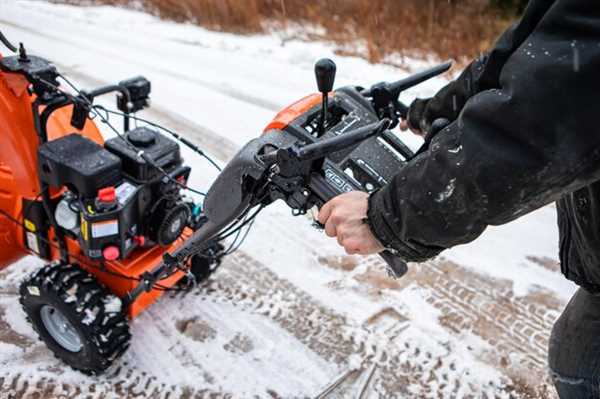
Check tire pressure regularly; maintain it according to manufacturer specifications for optimal traction and handling. Use a reliable gauge to ensure accuracy.
Examine tread depth to assess wear. A minimum of 1/8 inch tread depth is recommended for safe operation. Replace tires exhibiting uneven wear, which could indicate alignment issues.
Look for cracks, cuts, or punctures. Any visible damage can compromise tire integrity. Inspect sidewalls closely, as they endure significant stress during operation.
Rotate tires every 1,000 miles to promote even wear. This practice extends lifespan and improves stability, enhancing the riding experience.
Inspect lug nuts for tightness. Loose lug nuts can lead to tire detachment while in motion, posing serious safety risks.
Ensure tires are free from debris or foreign objects, as these can cause imbalance. Regular cleaning of the tire surface aids in maintaining performance during rides.
When checking tires, consider weather conditions. Different terrains require appropriate tire types and pressures to guarantee safety. Adjust your setup accordingly.
Cleaning Air Filters to Enhance Performance
Inspect air filters regularly, ideally after every 50 miles or when dirt and debris are visible. Remove the filter from the housing, taking care not to damage any components. Use compressed air to blow out contaminants, ensuring airflow direction is respected. For heavily soiled filters, soaking in a gentle detergent solution can help. Rinse thoroughly and allow complete drying before reinstallation.
Consider using a pre-filter for extreme environments to catch larger particles. This will extend the life of your primary air filter, reducing the frequency of cleaning required. Always check the manufacturer’s specifications for the recommended filter cleaning schedule and proper products that do not deteriorate filter material.
Improper cleaning or failure to replace clogged filters can lead to decreased engine efficiency and potential damage. Ensure a tight seal during reinstallation to prevent unfiltered air from entering the engine. A clean air supply contributes significantly to smoother operation and improves throttle response, enhancing the riding experience.