
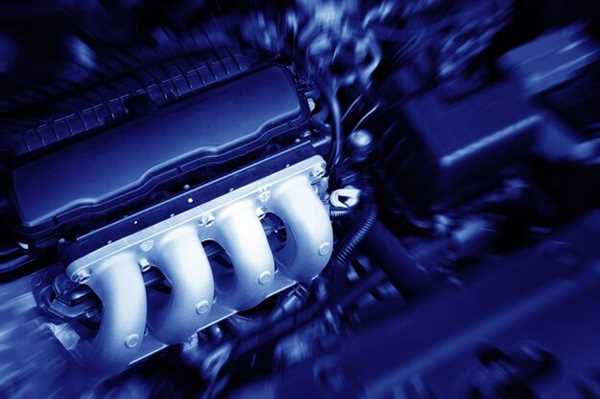
Optimize your ride by focusing on several crucial elements that directly influence how well your automobile operates. First, examining the combustion chamber is vital; its design affects fuel efficiency and power generation. Streamlined shapes in this area can lead to more complete fuel combustion, enhancing torque and throttle response.
Next, the ignition system plays a critical role in timing and spark delivery. Upgrading to a high-performance spark plug can boost acceleration and improve overall engine reliability. Ensuring this system operates efficiently can significantly enhance the driving experience.
Additionally, the cooling system cannot be overlooked. A well-functioning radiator and thermostat ensure that operating temperatures are maintained, preventing overheating and ensuring optimal power output. Regular maintenance of these systems is recommended to sustain engine integrity and longevity.
Lastly, the exhaust manifold’s design substantially influences back pressure and, consequently, engine breathing. Investing in aftermarket options can increase power and improve sound, adding both performance and aesthetic appeal to your machine.
Influence of Cylinder Heads on Combustion Efficiency
Optimizing cylinder heads can significantly enhance combustion efficiency, primarily through improved airflow dynamics. Selecting designs that promote better intake and exhaust flow is critical. Features like larger valves, smooth porting, and optimal shapes contribute to more complete fuel combustion, leading to increased power output and fuel savings.
The material of cylinder heads plays a pivotal role as well. Aluminum, known for its lightweight and excellent thermal conductivity, allows for quicker heat dissipation. This property helps maintain ideal combustion temperatures, preventing knock and improving overall engine reliability. Engines with aluminum heads often exhibit better performance metrics compared to those with cast iron options.
Moreover, the combustion chamber shape directly influences turbulence during the ignition process. A chamber that encourages swirl and tumble enhances mixing between air and fuel, which is vital for a complete burn. As a result, engines can achieve more efficient power delivery and lower emissions, making geometry a focal point for tuners and engineers alike.
Adjustable camshaft timing can be another complementary improvement alongside cylinder head modifications. By synchronizing valve events with the engine cycle, tuners can further fine-tune the air-fuel mixture entering the combustion chamber. This synergy maximizes the potential of the redesigned heads, bringing out the best in engine output.
Lastly, proper sealing of cylinder heads prevents leaks, which can compromise performance. Investing in high-quality gaskets and ensuring precise machining during installation ensures that compression remains intact, allowing for optimal combustion conditions. Missed opportunities in these areas can negate the benefits derived from otherwise sophisticated cylinder head modifications.
Role of Camshaft Design in Torque Delivery
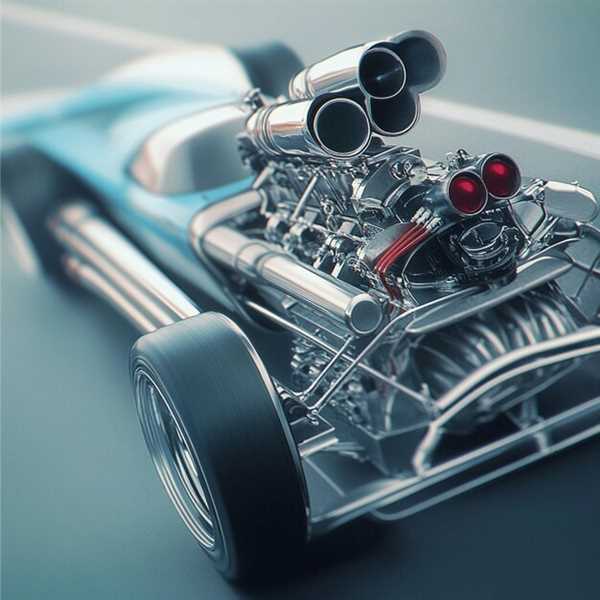
The design of the camshaft plays a pivotal role in optimizing torque delivery. A well-engineered camshaft ensures precise timing and lift of the engine valves, allowing for optimal air and fuel intake during critical stages of the combustion cycle. For engines designed for torque, a camshaft with a broader duration and a higher lift profile can significantly enhance low-end torque output. This is where the engine harnesses power most effectively during acceleration.
Different profiles yield various timing and valve overlap characteristics, which influence torque curves. For example, a camshaft with a long duration provides increased valve opening time, improving exhaust scavenging and enhancing the intake charge. This leads to more effective combustion processes, thereby maximizing torque production at lower RPMs. Engine builders should analyze the specifications carefully to align camshaft design with the desired powerband.
| Camshaft Duration (degrees) | Lift (mm) | RPM Range | Torque Characteristic |
|---|---|---|---|
| 240 | 10 | 1000-4000 | High Torque at Low RPM |
| 210 | 12 | 2000-5000 | Balanced Torque |
| 260 | 9 | 4000-7000 | High Torque at High RPM |
Furthermore, the camshaft’s location and configuration substantially affect the mechanical advantage of the engine layout. A V-engine with dual overhead camshafts can optimize valve actuation more effectively than a single overhead cam layout. This leads to smoother torque delivery and responsiveness, which can significantly influence the driving experience during acceleration maneuvers.
Ultimately, camshaft design should align with the specific application of the engine. Specialty engines intended for racing may opt for aggressive profiles while daily drivers benefit from smoother transitions. Engineers must meticulously evaluate the interplay of torque requirements, camshaft dynamics, and engine design philosophy to achieve the desired outcome.