

To enhance your automotive diagnostics, regularly monitor temperature readings of the engine and coolant systems. Anomalies in these metrics can signal overheating, leading to severe internal damage if not addressed swiftly.
Pay close attention to warning notifications regarding tire pressure. Insufficient inflation not only affects handling but can also contribute to premature wear, yielding significant financial implications over time.
Fuel efficiency metrics provide valuable insights into your vehicle’s performance. A crucial drop might indicate underlying issues such as fuel injector problems or air filter restrictions that merit immediate diagnostics.
Battery voltage levels should remain above 12.6 volts when the engine is off. Any substantial decline may suggest battery degradation and necessitate further investigation or replacement before it impacts your mobility.
Keeping tabs on oil pressure readings plays a pivotal role in ensuring the longevity of your engine. Low oil pressure can signify leaks or pump failures, both of which require urgent attention to prevent catastrophic damage.
Understanding Warning Lights: What Each Color Indicates
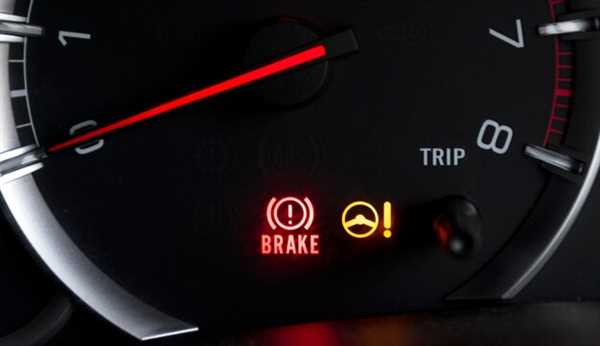
Red lights signal critical issues requiring immediate attention, such as low oil pressure or overheating. Pulling over safely and addressing the problem is vital; ignore them at your peril. Yellow or amber lights indicate caution. These may relate to warning mechanisms like tire pressure or maintenance reminders. Pay attention to these signals to prevent escalation into more severe issues.
Green or blue lights serve as informational indicators, confirming that certain systems are active, such as headlights or cruise control. No immediate action is necessary, but awareness is key. Regular monitoring of all warning lights ensures long-term vehicle health, allowing for timely interventions.
Diagnostic Codes: How to Read and Interpret OBD-II Readings
Begin with a compatible OBD-II scanner to retrieve diagnostic codes. These codes, formatted as PXXXX, indicate specific malfunctions. For instance, P0420 denotes a catalyst efficiency issue. After obtaining the code, consult the vehicle’s service manual or an online database for detailed interpretations. Cross-reference symptoms to pinpoint the root of the warning.
Understanding the codes is essential for effective troubleshooting. Each code stands as a clue to potential vehicle ailments. Consider the context; for example, a code may signal an intermittent issue rather than a constant fault. Additionally, clearing the codes with a scanner and rechecking can help confirm that the problem persists. Verify the data against manufacturer specifications to ensure accurate diagnostics.
Regular Maintenance Alerts: Setting Up Reminders for Critical Checks

Establish notifications for oil changes, tire rotations, and brake inspections to ensure your vehicle remains in peak condition. Utilize mobile apps or calendar systems that can send alerts every 3,000 to 5,000 miles or based on time intervals of six months. This proactive approach can prevent significant issues down the line.
Include key diagnostics checks, such as monitoring warning lights. Track the status of your battery, fluid levels, and brake wear. Use manufacturers’ guidelines to set appropriate reminders. An organized schedule with alerts helps in maintaining vehicle health and enhances safety on the road.