
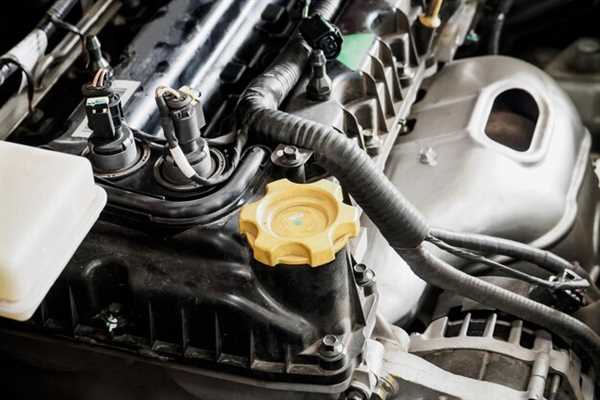
Regularly checking and replacing motor fluid is fundamental to maintaining peak performance. Ensure you follow the manufacturer’s specifications regarding viscosity and type, as improper selection could lead to significant damage.
Changing the fluid at recommended intervals aids in removing contaminants and worn particles that can accumulate over time. A consistent schedule will not only enhance functionality but also prolong the life of your vehicle.
Utilizing high-quality filters during fluid changes is another step that should not be overlooked. A reliable filter traps impurities and prevents them from circulating within the system, maintaining fluid cleanliness and optimal flow.
Monitor the fluid level frequently, as both overfilling and underfilling lead to inefficiencies. The proper level allows for adequate lubrication and cooling, essential for smooth engine operation.
Consider using additives designed to improve fluid performance. Certain products can reduce friction further and enhance the overall stability of the liquid, offering additional protection against degradation.
Selecting the Right Engine Oil for Your Vehicle

For optimal care of your vehicle, always refer to the manufacturer’s specifications found in the owner’s manual. Different engines require specific viscosity grade and formulation, including synthetic or conventional types, which contribute to enhanced performance and protection. The right oil can significantly impact how your engine operates, influencing fuel efficiency and longevity.
Consider the climate in which you drive. In colder conditions, oils with lower viscosity ratings enable better flow during startup, while in warmer environments, higher viscosity oils provide necessary thickness to maintain a protective film. Recognizing your driving habits, such as frequent short trips or long commutes, can also help in selecting an appropriate product.
Be aware of oil change intervals and monitor oil levels consistently. Regular inspections can prevent potential issues. If you’re unsure about compatibility or formulation, consult with a professional mechanic for personalized advice tailored to your vehicle’s unique needs.
Optimal Oil Change Intervals to Extend Engine Life
Changing the oil every 5,000 to 7,500 miles is recommended for most modern vehicles, although some synthetic formulations can allow for intervals of up to 15,000 miles. Regular replacement helps maintain the fluid’s properties, ensuring that it effectively reduces friction and protects internal components from damage.
It’s crucial to consult the manufacturer’s guidelines for specific recommendations tailored to your vehicle model. External factors like driving conditions and climate can also influence how often the oil should be replaced. Vehicles frequently operating under severe conditions, such as towing heavy loads or driving in extreme temperatures, may require more frequent oil changes.
A visual inspection of the oil can provide insight into its condition. If the fluid appears dark and gritty, it is a sign that contaminants have built up, and a change is overdue. Additionally, monitoring levels is important; low oil can lead to insufficient protection and potential engine problems.
Using a high-quality oil filter during changes will enhance the overall effectiveness of the lubricant. A clean filter prevents debris from re-entering the system, ensuring optimal flow and protection. Establishing a consistent maintenance schedule not only extends component life but also improves fuel efficiency.
Implementing Regular Maintenance Checks for Lubrication Systems
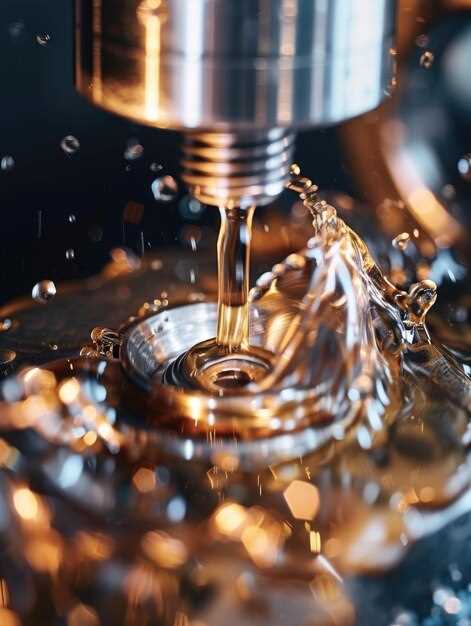
Schedule routine evaluations of lubrication setups every 100 hours of operation. Check fluid levels and appearances, ensuring there is no contamination. Monitor the condition of filters and replace them as needed; this will help in maintaining the purity of oils used. Verify that all hoses and connections are free from leaks and damage, protecting against unintended fluid losses.
Utilize a checklist for these inspections to ensure thoroughness. Document findings and keep a log for future reference. Employ advanced diagnostic tools if available to measure pressure and flow rates, confirming the system operates within specified parameters. Regular attention to these details safeguards against failures and ensures optimal functionality, prolonging machinery lifespan.