

Implement a thorough checklist that addresses key areas: inspect fluid levels, replace worn belts, and check electrical connections regularly. Schedule regular inspections to identify wear before it escalates into a costly issue.
Utilize software tools that track performance metrics, allowing for data-driven decisions. Analyze patterns and set alerts to notify your team of any irregularities. This proactive approach can significantly decrease unplanned disruptions.
Incorporate training sessions for staff to recognize early signs of potential issues. Equip them with the knowledge to spot anomalies, which can facilitate early intervention and extend the lifespan of your equipment.
Consider integrating condition monitoring technologies to keep real-time tabs on machinery performance. This investment provides immediate feedback and can lead to more informed and timely interventions, thereby safeguarding operational continuity.
Implementing Scheduled Inspections for Equipment Longevity
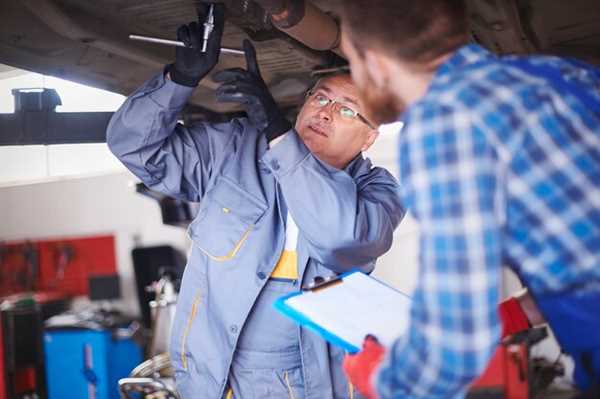
Establish an inspection schedule based on equipment usage and manufacturer’s recommendations. For instance, critical machinery may require checks bi-weekly, while less intensive applications can be monitored monthly. Such frequency helps identify wear and tear before major issues arise.
Utilize checklists tailored for specific equipment types to streamline the assessment process. Documents like these ensure that no aspect goes overlooked during evaluations. Include parameters such as lubricant levels, component integrity, and electrical connections to provide a thorough overview of operational health.
Assign trained personnel to conduct inspections. Proper training equips staff with the skills necessary to detect irregularities early and take corrective action. Regular workshops and refreshers can enhance their abilities, ensuring that inspections are both diligent and accurate.
Document all findings meticulously. Keeping a record of inspection results fosters accountability and helps track equipment performance over time. Analyze data periodically to identify trends, prompting adjustments in inspection frequency or procedures as needed.
Encourage a culture of proactive care among your workforce. Engaging employees in discussions about the importance of inspections not only boosts awareness but also encourages them to report concerns promptly. An involved team becomes a key element in sustaining equipment functionality and prolonging its lifespan.
Using Data Analytics to Predict Maintenance Needs

Implement predictive analytics to track equipment performance in real-time. This approach allows for timely identification of anomalies, which can signal potential issues before they escalate. Utilize sensors and IoT devices to gather data on operational parameters such as temperature, vibration, and load.
Integrate historical data with machine learning algorithms to forecast future requirements effectively. Analyzing past operational logs enhances the understanding of usage patterns, enabling better predictions on when equipment might require attention.
Set thresholds for key performance indicators (KPIs) using statistical analysis. Such thresholds can serve as alerts, prompting evaluations before deterioration occurs. This proactive method supports informed decision-making and resource allocation.
Establish a centralized data dashboard to visualize equipment health metrics. Visualization tools can simplify the interpretation of complex data sets, making it easier for decision-makers to pinpoint high-risk areas needing intervention.
Engage your workforce in the data collection process. By training personnel to recognize and report irregularities, you create an additional layer of surveillance that aligns with analytical insights. Employee feedback can enhance data accuracy and promote a culture of vigilance.
Regularly review and refine algorithms based on feedback and evolving patterns. Machine learning models improve over time by adapting to new data, allowing for more precise forecasts and decreasing the likelihood of unexpected interruptions.
Collaborate with data scientists to tailor analytics frameworks specific to your operational context. Custom solutions can unveil unique insights that generic applications might overlook, ensuring that your predictions align with actual on-site conditions.
Training Staff on Best Practices for Routine Maintenance
Implement a structured training program that focuses on key maintenance tasks such as lubrication, inspection, and adjustments. Regular workshops should incorporate hands-on demonstrations to solidify understanding. Consider utilizing checklists that staff can follow during regular inspections, ensuring consistency and thoroughness in each process.
Additionally, create a resource library that includes guides, videos, and troubleshooting manuals. Schedule periodic refresher courses to keep knowledge current and address any emerging repair techniques. Encourage an open forum for team discussions, where members can share insights or challenges faced during upkeep tasks, promoting collaborative problem-solving.