
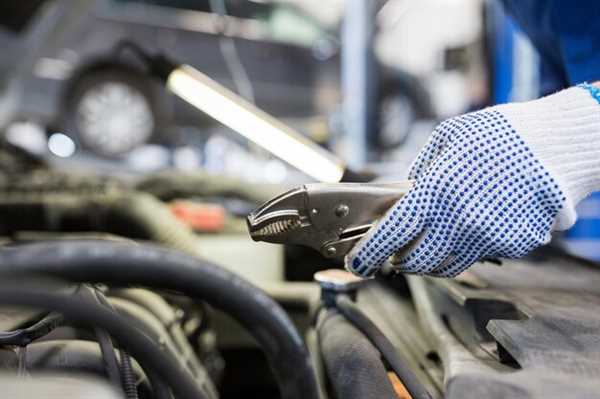
Regularly inspecting fluid levels can drastically improve the longevity of your powertrain. Ensure that oil, coolant, and transmission fluid are at the recommended levels and replace them according to the manufacturer’s schedule. Clean fluids are key to minimizing wear and tear on components.
Incorporate a systematic approach to visual checks of belts and hoses. Look for signs of cracks, bulges, or fraying that can lead to catastrophic failures. Replacing worn components proactively not only saves time but also assures smooth operation.
Pay attention to the calibration of electronic systems. Keeping these settings accurate will ensure optimal coordination between engine and drive components. Regular updates of software, if applicable, can mitigate performance issues down the line.
Finally, avoid overloading the vehicle, as excessive strain can accelerate wear on the drive components. Adhering to load recommendations boosts not just performance but safety, creating a more enjoyable driving experience.
Regular Inspection Techniques for Drivetrain Components

Conduct visual assessments of critical components such as the transmission, driveshaft, and differentials. Look for signs of wear, leaks, or cracks that may indicate underlying issues.
Utilize a torque wrench to check fasteners for proper tension. Loose bolts can cause misalignment, leading to increased wear on the entire system. Confirm specifications in your service manual.
- Examine fluid levels and conditions regularly.
- Look for contamination, discoloration, and unusual odors.
- Replace fluids that do not meet manufacturer guidelines.
Utilize a run-out gauge to measure the alignment of the driveshaft. Misalignment can lead to vibrations, which ultimately compromise the integrity of the entire setup.
Conduct a shake test to evaluate the component’s stability. Any unusual movement can signal issues with bearings or supports, requiring immediate attention.
- Inspect the U-joints for any signs of wear or play.
- Look for signs of rust, especially on exposed metal surfaces.
- Check the condition of rubber mounts and bushings, replacing any that appear cracked or degraded.
Perform a road test to identify any unusual noises or vibrations while driving. Pay close attention to changes in performance that may indicate a failing part.
Document all inspections meticulously. Maintain records of findings, repairs, and replacements to facilitate future assessments and ensure a well-functioning mechanical assembly.
Best Practices for Lubrication of Drive Systems
Regularly assess the lubrication intervals based on the operating environment and load conditions. For systems under heavy loads or harsh conditions, decreasing the interval can prevent wear and premature failures.
Select the appropriate lubricant type suitable for the drive system materials. Synthetic lubricants often provide better thermal stability and longevity compared to conventional options, thus enhancing system performance.
Ensure surfaces to be lubricated are clean and free of contaminants. Debris can compromise the integrity of the lubricant, leading to increased friction and heat generation within the drive.
Apply lubricant in accordance with manufacturer specifications. Over-lubricating can lead to excess pressure and seal damage, while under-lubricating increases the risk of component breakdown.
Utilize automatic lubrication systems when feasible. These systems can ensure consistent distribution and monitoring of lubricant levels, enhancing the overall care of the drive components.
Incorporate temperature monitoring within the drive system. Elevated operating temperatures may indicate insufficient lubrication or potential issues that need to be addressed promptly.
Consider using grease instead of oil in specific applications, especially in environments exposed to contaminants or moisture. Grease provides better adhesion and protection in such situations.
Periodically review the condition of lubricants in use. Discoloration, presence of debris, or unusual odors can signal the need for a change, ensuring optimal operation and longevity of the drive system.
Common Drivetrain Issues and How to Prevent Them
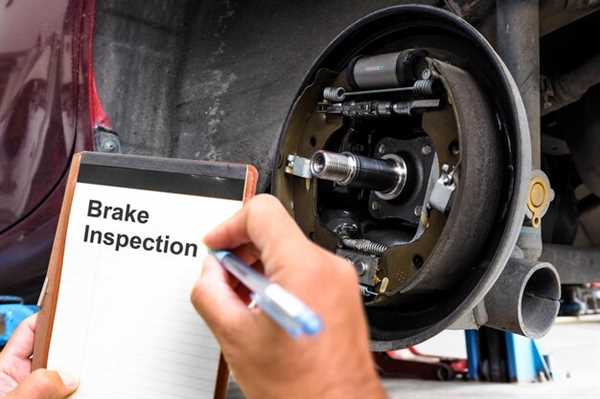
Check for fluid leaks regularly. Hydraulic fluid leaks can seriously compromise the performance of your vehicle’s system. Look beneath the vehicle for any signs of fluid pooling, particularly after parking. Address any leaks immediately to prevent further damage.
Monitor the condition of drive belts. Worn or cracked belts can lead to inefficiencies in power transfer. Typically, belts should be inspected during routine inspections every 30,000 miles and replaced if any signs of significant wear are present.
Listen for unusual noises while driving. Grinding, whining, or clunking sounds can indicate problems within the system. Identifying the source of these noises early can prevent costly repairs. If you hear anything unusual, have the vehicle inspected by a qualified technician.
| Common Issues | Potential Causes | Recommended Actions |
|---|---|---|
| Fluid Leaks | Damaged seals, loose connections | Inspect and replace seals, tighten connections |
| Noisy Transmission | Lack of lubrication, worn components | Check fluid levels, schedule a service |
| Overheating | Cooling system failures | Inspect coolant levels, flush system |
Inspect the fluid levels consistently. Low fluid can lead to overheating and wear on components. Ensure that the system’s fluid levels are always within the manufacturer-recommended range, and replace fluids according to the specified intervals.
Pay attention to irregular shifting patterns. If your vehicle hesitates or has trouble shifting gears, it may indicate a deeper issue within the drivetrain. Regularly check the transmission fluid for proper levels and quality to maintain seamless operation.
Finally, maintain the tires and suspension components. Uneven wear on tires can stress the drivetrain. Regularly rotate tires and check alignment to promote even wear and optimal drive quality.