
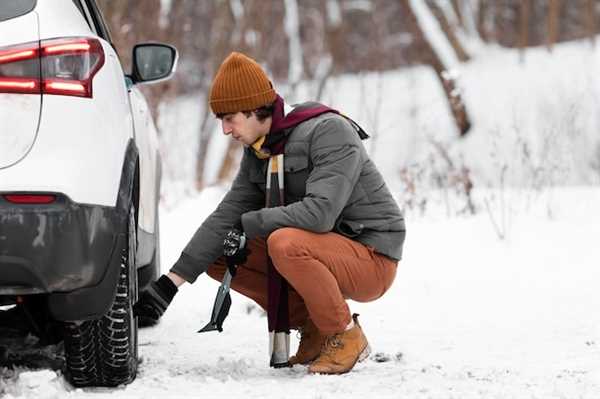
Ensure that your automobile’s tires have ample tread to handle slick roads. A minimum of 5/32 inches is advisable for optimal grip during frosty conditions. Regularly check tire pressure as temperature drops can lead to lower psi levels.
Examine your wipers for any wear and replace them if necessary. Good visibility is paramount; using a winter-specific windshield washer fluid will enhance clarity, even in severe chills. Keep an eye on headlights, too, as dimming can occur with the accumulation of grime or ice.
Carry an emergency kit that includes a blanket, flashlights, and non-perishable snacks. This is practical in case you become stranded unexpectedly. Additionally, a fully charged mobile device and portable charger can be invaluable should help be needed.
Fluids such as antifreeze, oil, and brake fluid need to be monitored and topped up as required. Cold temperatures can affect performance and safety, making routine inspections a priority. Also, ensure that your battery is in good condition; extreme cold can significantly impact its efficiency.
Familiarize yourself with local weather forecasts to adjust your plans accordingly. Avoiding travel during severe weather can prevent unnecessary risks. Practicing patience and caution on slippery surfaces will further enhance your safety while on the road.
Checking and Replacing Your Tires for Cold Weather
Inspect tire tread depth using the penny test. Insert a coin into the tread; if you see all of Lincoln’s head, the tread is too shallow. Proper grip is critical during this time of year.
Consider switching to seasonal tires if your current ones are not designed for lower temperatures. These provide better traction and performance on icy surfaces compared to all-season options.
Regularly examine tire pressure, as dropping temperatures can lower it significantly. Maintain the recommended PSI, as under-inflation can lead to poor handling and increased wear.
Check for cracks, bulges, or foreign objects embedded in the tires. Any visible damage could compromise safety. If found, consult a professional about repair or replacement.
Balance and alignment are often ignored but are essential for tire longevity. Uneven wear can lead to decreased performance. Ensure these aspects are checked regularly.
Finally, replace tires approaching the end of their lifespan. Look for wear indicators or consult with tire professionals. Quality investments in tires yield better care and safety on slick surfaces.
Essential Fluids and Battery Maintenance in Winter
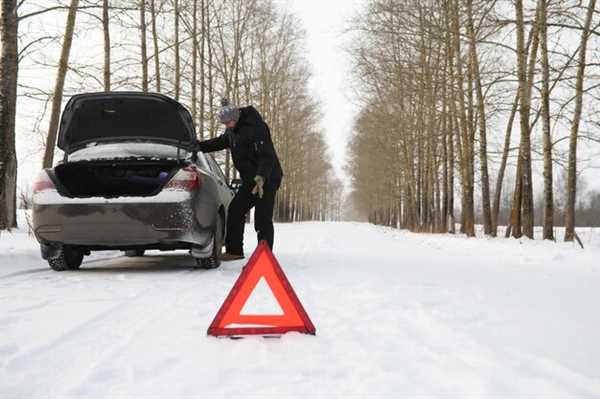
Check antifreeze levels regularly to prevent engine freezing. A 50/50 mix of antifreeze and water is optimal for protection against low temperatures. Use a hydrometer for accuracy. This simple practice can save you from expensive repairs and improve overall performance during cold spells.
Oil change frequency increases with temperature fluctuations. Consider switching to a thinner oil for better circulation in harsh conditions. Synthetic blends work well, but verify compatibility with your engine. Regular oil maintenance promotes efficiency and prolongs engine life.
Brake fluid should also be inspected; moisture accumulation reduces effectiveness. Ensure your brake lines remain clear as condensation can lead to corrosion. A simple fluid flush every couple of years prevents potential malfunctions and maintains safety.
| Fluid Type | Recommended Action | Frequency |
|---|---|---|
| Antifreeze | Check levels, maintain 50/50 mix | Seasonally |
| Oil | Change to thinner oil, check compatibility | Every 3,000-5,000 miles |
| Brake Fluid | Inspect for moisture, flush if needed | Every 2 years |
Battery performance declines in cold weather due to chemical reactions slowing down. Clean terminals regularly and check the charge. A battery tester can determine if replacement is necessary. Maintaining battery health ensures reliability and smooth starts during colder days.
Emergency Kits: What to Include for Winter Driving Safety
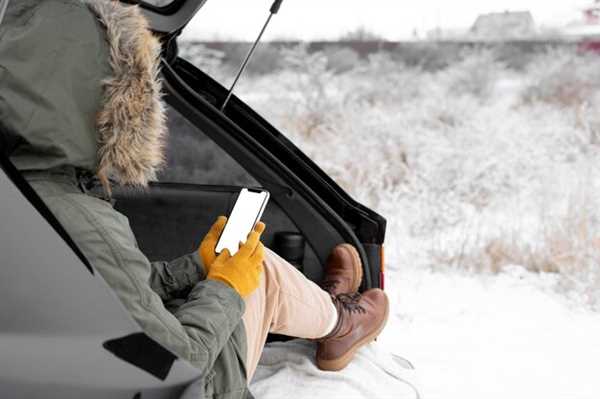
Include a sturdy flashlight with extra batteries in your emergency kit. Reduced daylight during this season makes it crucial to have a reliable light source to assess situations or signal for help.
- Jumper cables are a must-have. Cold temperatures can drain batteries, making them unreliable.
- Booster cables are also beneficial for assisting other drivers if needed.
Pack a thermal blanket to provide warmth in case of a breakdown. Staying warm is paramount, especially in harsh weather conditions.
- First aid kit: Ensure it contains adhesive bandages, antiseptics, and any necessary medications.
- Non-perishable snacks like energy bars are critical for long waits, providing sustenance without requiring cooking.
Include a shovel for snow removal around your tires, as getting stuck is a common occurrence during the seasonal months.
A bottle of water is important to stay hydrated, especially if you’re stranded for an extended period. Keep a few extra items like a roadside warning triangle or flares to alert other drivers in low visibility situations.