
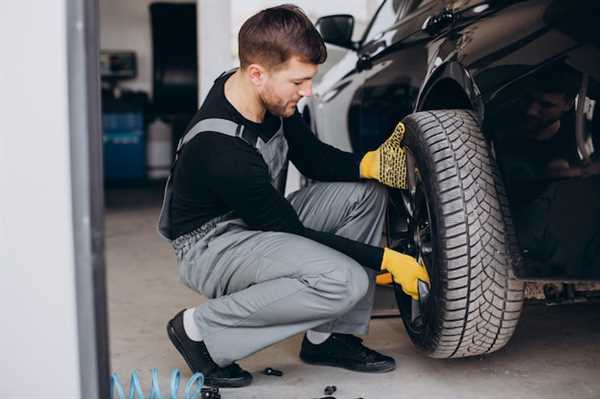
Check the air pressure regularly, ensuring it matches the manufacturer’s specifications. Keeping the correct inflation level can significantly improve handling and fuel efficiency while reducing the risk of blowouts.
Inspect tread depth frequently. Use a simple method like the penny test: insert a penny into the tread with Lincoln’s head down; if you can see the top of his head, it’s time for new rubber. Adequate tread depth helps maintain traction in wet conditions.
Rotate the wheels every 5,000 to 7,500 miles. This practice promotes even wear across all tires, extending their lifespan and maintaining performance characteristics. Follow the vehicle manufacturer’s recommendations for rotation patterns.
Monitor for any signs of damage, such as cracks, blisters, or embedded objects. Address any issues immediately to prevent further degradation. Regular visual inspections can help catch problems before they escalate.
Perform seasonal checks, especially before and after winter. As temperatures fluctuate, so do the optimal conditions for your tires. Switching to winter tires or ensuring all-season options are in good condition can greatly enhance grip and control.
Regular Tire Pressure Checks to Prevent Blowouts
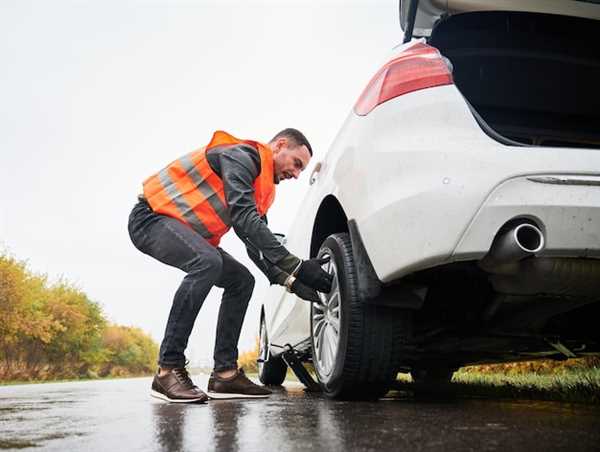
Check the inflation levels at least once a month. Use a reliable gauge to measure pressure accurately. Properly inflated tires reduce the chances of unexpected failures while driving.
Refer to the manufacturer’s specifications, usually found on a label inside the driver’s door or in the owner’s manual. Ideal pressure levels differ depending on vehicle type and load, ensure you follow these guidelines strictly.
- Cold inflation measurement is crucial. Take readings after the vehicle has been stationary for several hours.
- Avoid over-inflation, as excessive pressure can lead to a blowout. Ensure that the pressure doesn’t exceed recommended levels.
- Check the spare as well; it’s easily overlooked but important for emergency situations.
Visual inspections are informative but insufficient. Tire bulges or cracks might indicate more serious issues, so do not rely solely on what you see.
Seasonal changes affect pressure due to temperature differences. Be vigilant about checking inflation levels during significant climate shifts.
- Monitor tire performance; if you notice uneven wear, investigate further. This might suggest misalignment or other mechanical concerns.
- Keep a maintenance log of pressure checks. Noting each measurement can help identify patterns or recurring issues.
Regularly assessing the state of inflation not only prolongs lifespan but also enhances overall driving security. Take the time necessary to prioritize precision, as it pays off in the long run.
Understanding Tire Tread Depth for Optimal Grip
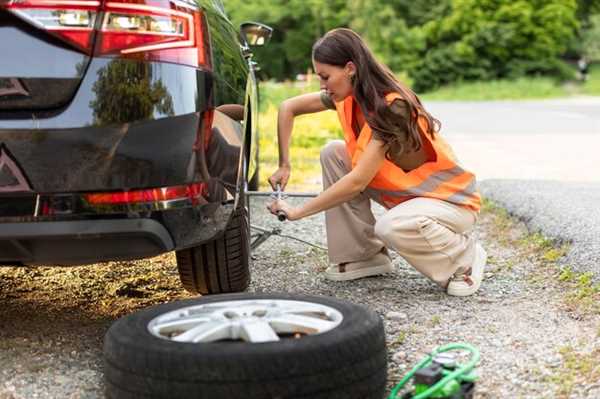
To ensure maximum traction, a tread depth of at least 4/32 of an inch is recommended for wet conditions. This measurement allows water to channel away from the contact surface, providing better grip.
Regularly check the depth using a simple coin test. Insert a quarter into the tread; if the top of Washington’s head is visible, it’s time to consider replacing. This quick visual assessment can prevent potential slip-ups.
Invest in a tread depth gauge. This tool provides precise readings and can help monitor wear over time, enabling informed decisions about replacements and ensuring optimal performance.
A noticeable reduction in tread can lead to hydroplaning. This occurs when the surface cannot effectively displace water, causing the vehicle to lose contact with the road. Keeping an eye on tread depth can mitigate this risk.
Different driving conditions influence wear patterns. Off-road driving might create uneven wear, while freeway travel can lead to faster degradation. Regular assessments tailored to driving habits can enhance grip.
Rotate your tires every 5,000 to 7,500 miles to promote even wear. This practice extends the life of all tires, ensuring that tread depth remains balanced for enhanced traction across the vehicle.
Avoid sudden braking and rapid acceleration, which can accelerate wear. Smooth driving not only conserves tread but also improves fuel efficiency and reduces overall costs.
Consider seasonal changes; winter driving may necessitate deeper tread for better performance. Investing in appropriate tires ensures that you have the right grip throughout the year, allowing for a safer experience.
Seasonal Tire Swaps for Adaptable Performance
Switching out your footwear according to the season is a must. As temperatures drop, investing in specialized winter footwear becomes a priority. These variants are crafted to maintain grip on icy surfaces, optimizing performance and minimizing potential accidents. Make the swap before the first snowfall; having them fitted with proper pressure ensures you capitalize on their design advantages, allowing for increased traction and control.
In warmer months, revert to summer varieties that handle higher temperatures better and improve fuel efficiency. Regularly check tread depth and sidewall condition, as wear impacts handling significantly. Aim for an inspection every couple of months, adjusting air pressure in accordance with load and weather conditions. Adapting your selection not only enhances driving experience but also prolongs the lifespan of your investment.